Birkin bag prices are sinking at auction despite high-profile salesgd
Auction prices for iconic Hermès Birkin and Kelly handbags are declining from their pandemic-era peaks, according to recent market analyses, despite two extraordinary, multi-million-dollar sales of bags once owned by the late Jane Birkin. The data indicates a normalization in the ultra-luxury resale market after a period of frenzied speculation.
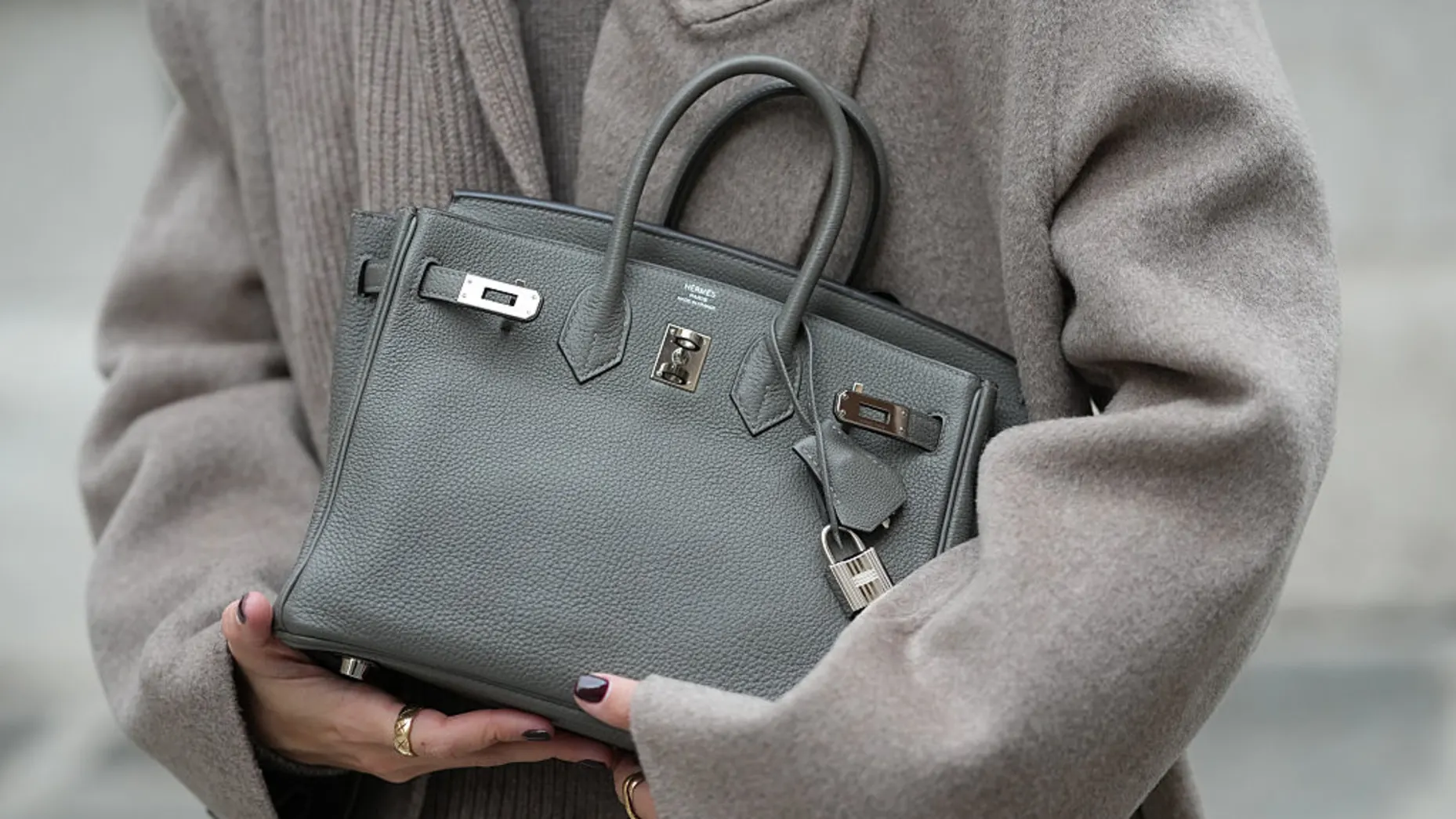
While a Jane Birkin-owned Black Box Birkin sold for $2.9 million at Sotheby's this month—far exceeding its estimate—and her original bag fetched a historic $10 million in July, these are viewed as unique celebrity-provenance events. The broader market tells a different story. Bernstein's Secondhand Pricing Tracker shows the average resale premium for Birkins and Kellys has fallen from 2.2 times the original retail price in 2022 to 1.4 times in November. Some common models, like the Birkin Togo 30, now sell at auction for no premium at all, a significant drop from previous years.
Market Normalization Versus Enduring Brand Desirability
This price correction reflects a cooling from unsustainable highs rather than a collapse in desirability. A report from reseller Rebag notes that Hermès still "dominated the bag category" in 2025, with eight styles selling above their original retail price. Birkin bags maintained an average resale premium of 22% last year, and their prices have nearly doubled since 2015 despite recent stabilization.
Analysts emphasize that Hermès's top position in the luxury hierarchy remains unchallenged. "What counts is the ranking in the pecking order, in terms of consumer desirability," said Luca Solca of Bernstein. "I see Hermès firmly in the top spot." The softening auction premiums suggest the market is maturing, distinguishing between standard pre-owned pieces and exceptional, one-of-a-kind items with storied histories, while the brand's primary retail allure and waiting-list exclusivity continue unabated.
A Maturing Secondary Market
The trend points to a more discerning and rational secondary market. The speculative bubble that inflated resale values during the pandemic has partially deflated, bringing prices for many standard models closer to their retail benchmarks. However, Hermès's fundamental strategy of extreme scarcity and controlled distribution continues to uphold the brand's aura and defend its pricing power at the primary point of sale, ensuring its long-term status as the ultimate luxury status symbol.
Recent
News


Newsletter
Subscribe to our mailing list to get the new updates!

Subscribe our newsletter to stay updated
Most
Reviews

Business

- Mon, 26 Jan 2026
Why Arsenal’s ‘Weak Minds’ Matter Little
Finance
- Wed, 28 Jan 2026
German bank hit with lawsuits after deposit boxes ransacked in heist
Finance